What to Sow in November for a Tiny Garden
A practical November guide for small-space edible gardens: last garlic and broad beans, onion sets, bare-root fruit bushes, windowsill crops and protecting pots for winter.
Quick answer
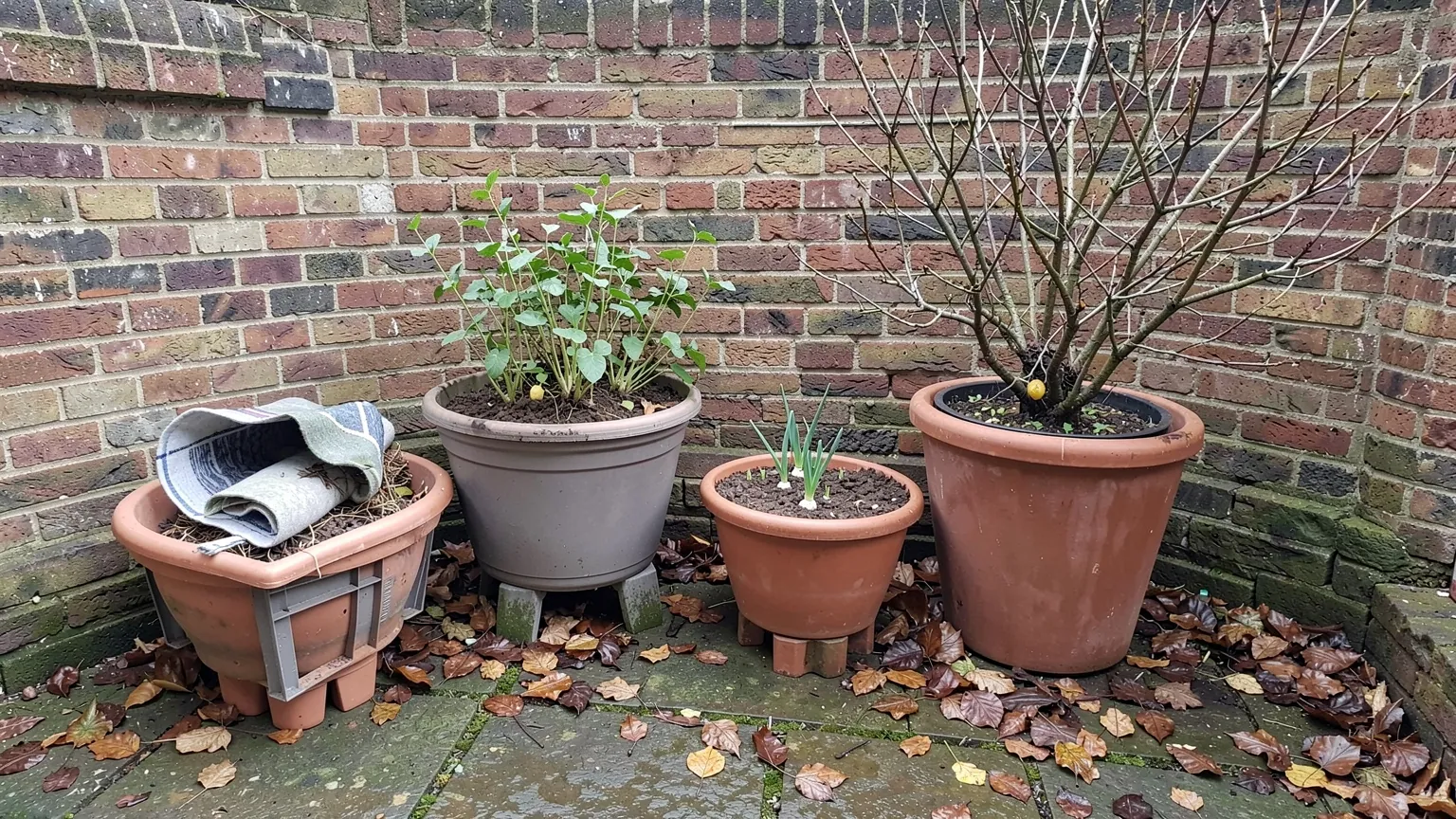
November is a quiet month for sowing, but there is still useful planting to do in a tiny garden. Plant garlic cloves in pots if you have not already, sow hardy broad beans in milder areas, and plant onion sets sold for autumn planting. It is also the start of the bare-root season for fruit bushes. Indoors, keep pea shoots, microgreens and herbs going on a bright windowsill, and get your pots ready for frost, wind and heavy rain.
Growing note: Do not plant into compost that is frozen or waterlogged. If the weather turns hard, wait for a milder spell. In cold or exposed spots, garlic and windowsill crops are the safest choices this month.
At a glance: what to sow and plant in November
| Best outdoor planting | Garlic cloves in pots |
| Last overwintering sowings | Hardy broad beans, in milder areas |
| Also worth planting | Onion sets sold for autumn planting |
| Fruit | Bare-root fruit bushes, once they are dormant |
| Best windowsill crops | Pea shoots, microgreens and herbs |
| Main caution | Frozen or waterlogged compost, wind and hard frosts |
| Key job | Protect, raise and group pots for winter |
November is about finishing and protecting
By November the days are short and growth outdoors has almost stopped. Very little you sow now will grow quickly. The aim this month is to finish the autumn planting you started in October, then make sure every pot gets through winter in good shape.
In a tiny garden, that is a short list. A pot of garlic, a trough of broad beans and perhaps one fruit bush are plenty to look after over winter. Everything else can wait for spring.
If you followed our October guide, most of your winter pots should already be planted. November is the last good chance to catch up.
What to plant outdoors in November
Garlic
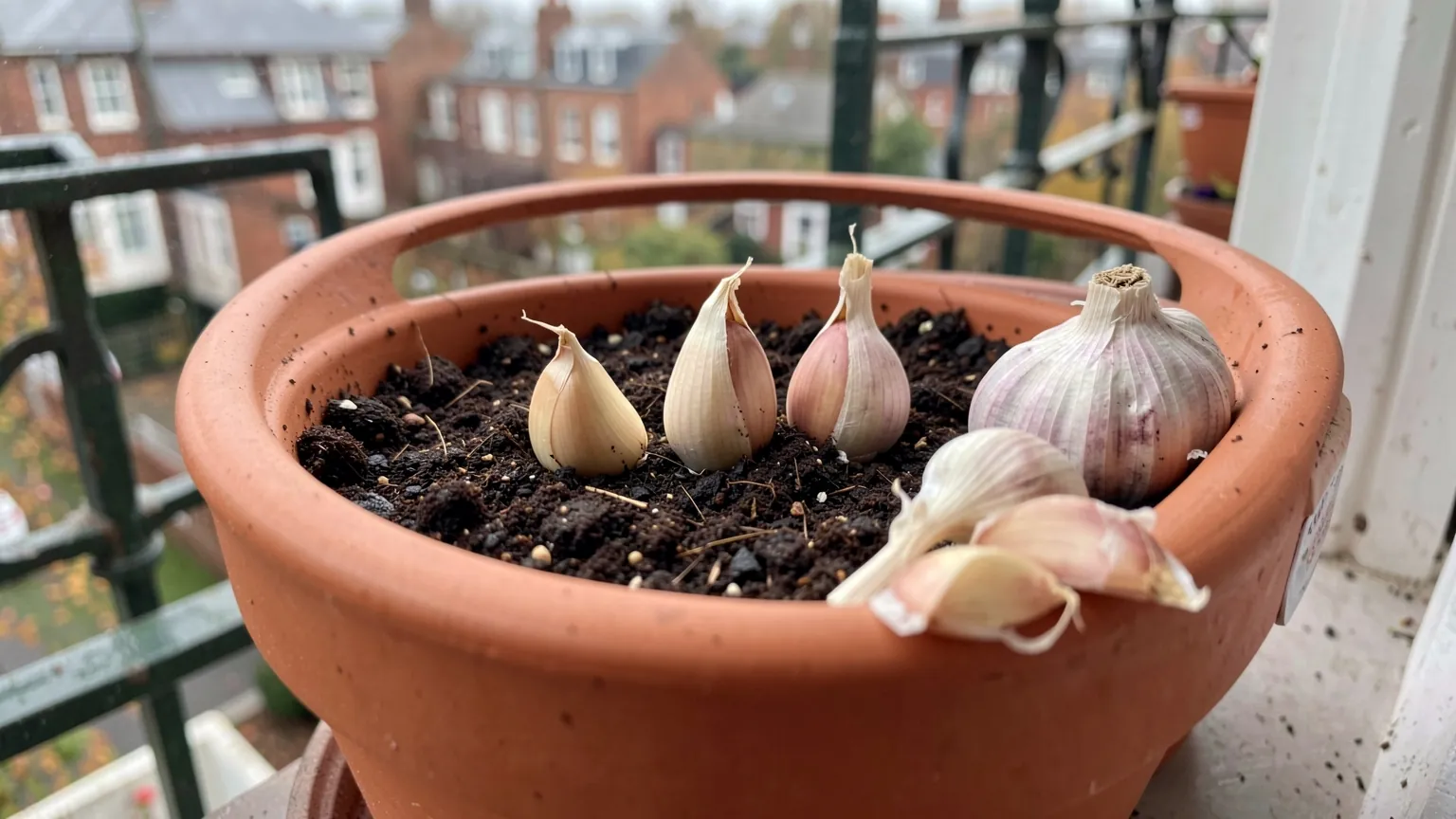
There is still time to plant garlic. October and November are ideal for most of the UK, and planting can continue into December if the compost is not frozen or waterlogged. Push individual cloves in pointed end up, about 10cm apart, in a pot at least 20cm deep, and leave it outside in the sunniest spot you have. Garlic needs a cold spell to split into cloves, so do not bring the pot indoors.
See the full guide: how to grow garlic in pots.
Broad beans
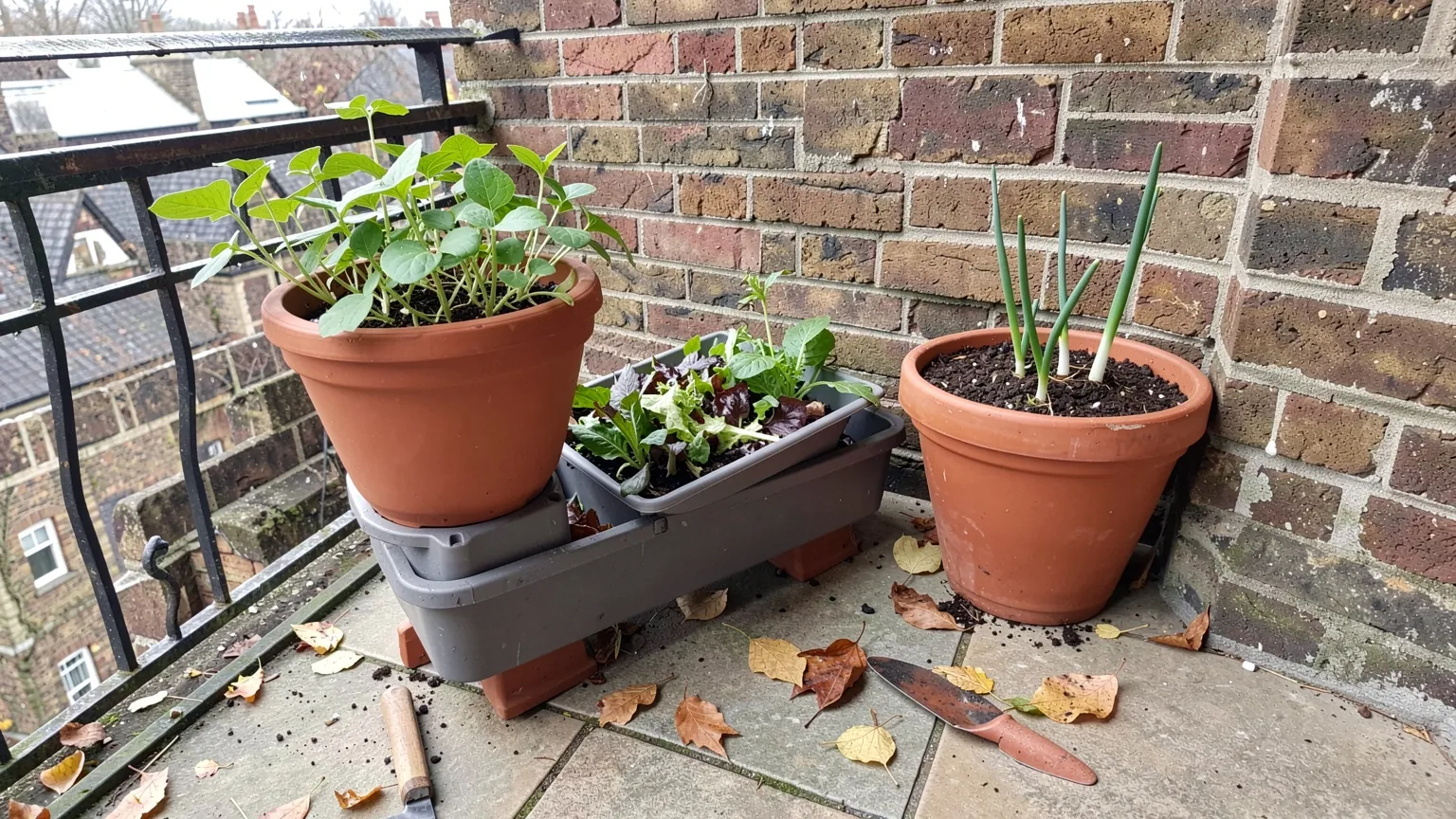
Hardy broad bean varieties can still be sown outdoors in early November in milder parts of the UK. Choose a variety sold for autumn sowing, use a wide, deep container and put it in a sheltered spot close to a wall. Overwintered plants usually crop earlier than spring sowings. In colder or exposed gardens, sowing in spring is simpler and more reliable.
See how to grow broad beans in containers.
Onion sets
Some onion sets are sold specifically for autumn planting. Push them into a pot of free-draining compost with the tip just showing, about 10cm apart. Birds like to pull new sets out, so cover the pot with netting or fleece until they have rooted. Use a container in full sun and make sure it drains well, because sets can rot in wet compost.
Hardy peas
Autumn-sown peas are best treated as an experiment. If you did not sow them in October, it is usually better to wait. In late winter or spring, sow peas in a container with supports in place. See how to grow peas in containers.
Bare-root fruit for pots
November is the start of the bare-root season. Bare-root fruit bushes are sold while they are dormant, without a pot or compost around the roots. They are usually cheaper than pot-grown plants and settle in well if planted while the weather is cool and the compost is not frozen.
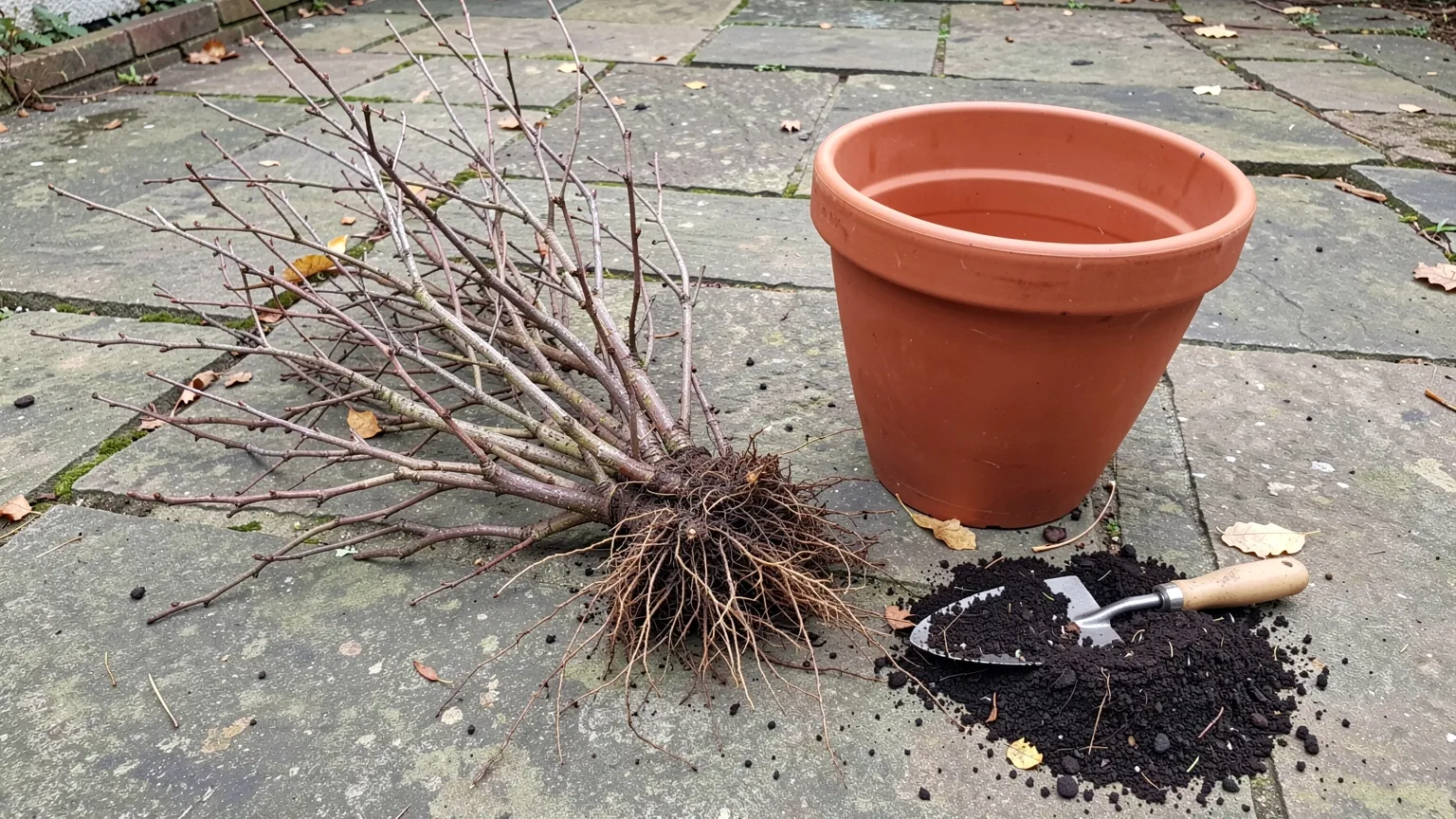
Plant bare-root bushes as soon as you can after they arrive, and do not let the roots dry out. Use a large, stable, frost-resistant pot with plenty of drainage holes, spread the roots out, firm the compost gently and water in. For a balcony or patio, compact blackcurrants, redcurrants, gooseberries and dwarf raspberries are good choices. Blueberries are usually sold in pots and need ericaceous compost.
What to grow on a windowsill in November
Light is the limiting factor indoors in November. Choose your brightest window and grow crops that are harvested young.
Pea shoots and microgreens
Pea shoots and microgreens are the most reliable windowsill crops this month. They are cut while small, so they need far less light and time than full-sized plants, and a tray can be ready in a few weeks.
Salad leaves
Cut-and-come-again salad leaves will still grow on a bright windowsill, but slowly. Sow small batches and expect fewer, smaller pickings than in spring. See how to grow lettuce in pots.
Herbs
A small pot of parsley or chives on the windowsill keeps fresh herbs within reach in bad weather. Keep leaves away from very cold glass and reduce watering as growth slows. See how to grow herbs on a windowsill.
November jobs for a tiny garden
- Raise pots off the ground. Pot feet or bricks let containers drain freely through winter rain.
- Group pots together. Move containers against a sheltered wall, where they protect each other from wind and cold.
- Empty saucers. Standing water around pots in winter can rot roots.
- Protect pots in hard frost. Wrap containers that are not frost-resistant, or that hold precious plants, in hessian or bubble wrap during severe cold.
- Keep fleece handy. A sheet of horticultural fleece can be thrown over young broad beans on very cold nights.
- Water less, but check. Pots under eaves or on covered balconies can still dry out. Evergreen herbs like rosemary and bay need less water in winter, but the root ball should not dry out completely.
- Clear fallen leaves. Sweep leaves off pots and paving, where they give slugs somewhere to hide.
- Clean empty pots. Wash out pots you are not using, then stack them under cover ready for spring.
What not to do in November
Do not sow tender summer crops like tomatoes, courgettes, cucumbers or chillies. There is not enough light or warmth, and seedlings will be weak and leggy. Save those seeds for spring.
Avoid planting into wet, cold compost, and do not overwater pots that are barely growing. In winter, too much water does more damage to container plants than cold.
A simple November plan
If you only do three things this month: plant a pot of garlic if you have not already, start a tray of pea shoots on your brightest windowsill, and raise and group your pots against a sheltered wall. That keeps your tiny garden ticking over and ready for an early start next year.
Plan what fits your space
Use the free growing tools to check which crops suit your balcony, patio or windowsill.
FAQs
Is it too late to plant garlic in November?
No. November is a good month to plant garlic in pots, and you can keep planting into December if the compost is not frozen or waterlogged.
Can I sow broad beans in November?
Yes, in milder parts of the UK. Choose a hardy variety sold for autumn sowing and a sheltered spot. In cold or exposed gardens, wait until spring.
Can I grow anything on a balcony in November?
Yes. A pot of garlic or autumn onion sets is the easiest choice. A bare-root fruit bush in a large pot is a good long-term crop, and a bright window can keep pea shoots and herbs going.
How do I stop pots cracking in frost?
Use frost-resistant containers, raise them on pot feet so they do not sit in water, and wrap them in hessian or bubble wrap during severe cold.
Growing note: In November, protection matters more than sowing. A few well-drained, sheltered pots will come through winter far better than many pots left standing in the wet.